No guide comes with you. Buy one of our curated pamphlets across Japan for a flat $20, then just log in. One tap turns your current location into walking, train, or driving directions to the start point, right in Google Maps.
Pass through the Kaminarimon Gate, snack your way down Nakamise shopping street, visit Sensoji Temple, and finish with views of the Sumida River — the classic route through Tokyo's most old-Edo neighborhood, self-guided at your own pace with this pamphlet.
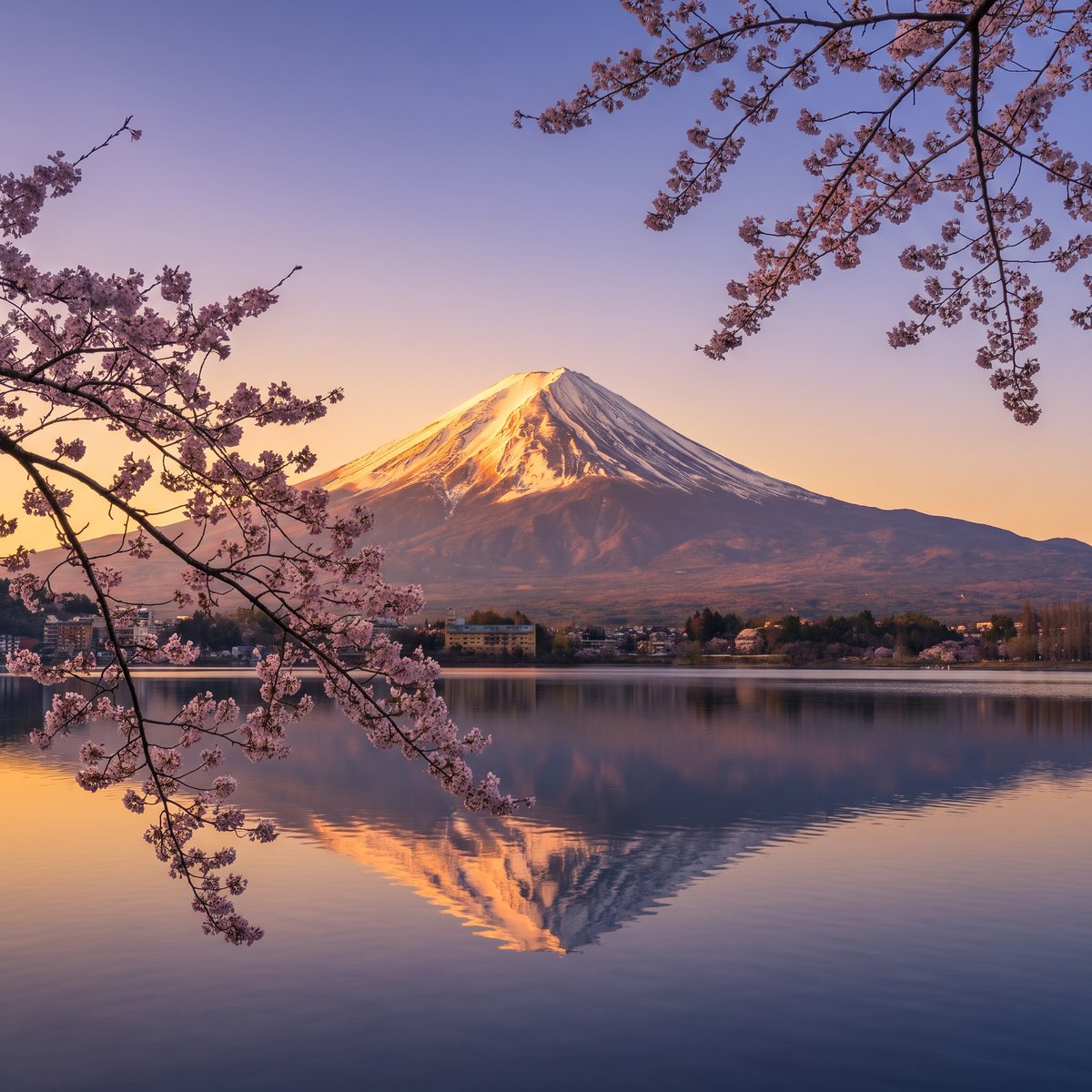
A self-guided day with Mt. Fuji, starting at Kawaguchiko Station: lakeside views, a ropeway observation deck, and a local soba lunch. Travel to and from Shinjuku is on you (about 2 hours by limited express train — our directions feature will help you get there).
From the thousand torii gates of Fushimi Inari Taisha to a Kiyomizu-yaki pottery workshop and a matcha ceremony in a machiya townhouse — a self-paced day with Kyoto's faith and craftsmanship.
A self-guided Osaka night walk of takoyaki, kushikatsu, and okonomiyaki with the Glico sign as your backdrop — explore neon-lit Dotonbori after dark, at your own pace.
Just outside the Electric Town Exit: Radio Kaikan, a landmark building of figures and anime goods, a retro-game arcade at Super Potato, and a shop with hundreds of capsule-toy machines. A self-paced route through Tokyo's subculture mecca for anyone into anime, games, and collectibles.
A self-guided morning walk through Ryogoku, Tokyo's sumo district, past stables where wrestlers train, a free museum beside the national sumo arena, and a chanko nabe lunch at a restaurant run by a former wrestler. Note: many stables that allow public viewing of morning practice (asageiko) require advance reservation through their own website — check before you go. Even without a reservation, you can take in the atmosphere and sounds of training from the street.
Start at Namiyoke Shrine, Tsukiji's guardian shrine, then eat your way through the outer market's tamagoyaki, dried seafood, and seafood rice bowls before finishing at Toyosu Market's observation deck and wholesaler-run restaurants. A self-paced walk through Tokyo's kitchen, timed to the busiest and freshest hours right after opening.
From Yanaka Ginza's Showa-era shopping street to the cat-filled lanes of Yanaka Cemetery, the torii tunnel of Nezu Shrine, and the kitchenware wholesalers of Kappabashi — a self-paced walk through the craftsman's Tokyo most tourists never see.
From Omoide Yokocho's yakitori stalls, remnants of a postwar black market, to the roughly 250 tiny bars of Golden Gai — a self-guided night walk through Tokyo's Showa-era drinking culture, at your own pace. Alcohol service is legally restricted to age 20 and over. Most Golden Gai bars charge a seat or cover fee — look for signs welcoming first-time visitors before stepping in.
A self-guided day trip from Hakone-Yumoto Station: an open-air sculpture museum, the volcanic steam vents of Owakudani with views of Mt. Fuji on a clear day, and a soak at a day-use hot spring to finish. Travel to Hakone-Yumoto from Tokyo is on you (about 90 minutes via limited express from Shinjuku — our directions feature will help you get there).
Start at the world's busiest crossing, follow the smell of fresh crepes down Takeshita Street, then hear nothing but gravel underfoot at Meiji Jingu before ending under the zelkova trees of Omotesando. Loud and quiet Tokyo, one JR stop apart.
Begin under the Wako clock tower as it strikes the hour, catch a single act of kabuki, look up at glass-and-stone flagship buildings, and finish at a back-alley restaurant open since 1895. Ginza's front and back streets in one walk.
Look at samurai swords and clay figures in the quiet halls of Japan's oldest museum, walk the shore of Shinobazu Pond, then step into Ameyoko, where the air smells of dried fish and vendors call out prices under the train tracks. Ueno changes character with every downhill block.
One minute from the station, you are in alleys lined with vintage shop signs, surrounded by the scrape of hangers on racks and the smell of old leather. Pass tiny theaters and live houses, then rest at a cafe built on former railway tracks. Four minutes by train from Shibuya, a different youth culture entirely.
From a beach facing Rainbow Bridge to wading barefoot through digital art, an 18-meter Gundam, and the sun dropping behind the bridge. Ride the Yurikamome monorail along the waterfront and see Tokyo's future-facing side in one afternoon.
An hour from Tokyo, then a rattling Enoden train to the Great Buddha. Up close, you can see the green patina that 700 years of sea wind have raised on the bronze. Look down on Yuigahama beach from Hasedera, then finish with street food on Komachi-dori.
Two hours from Tokyo, climb through the scent of 400-year-old cedars until gold leaf flashes in the shade of Yomeimon Gate. A bus up the hairpin road brings you face to face with a 97-meter waterfall, then a quiet lakeshore. World heritage and mountain nature in one day.
At 8 am the bamboo path is nearly empty and the only sound is the dry creak of stalks rubbing in the wind. Take in the Tenryu-ji garden with Arashiyama as its backdrop, cross Togetsukyo Bridge, then climb 20 minutes to wild macaques and a view over all of Kyoto.
Ten minutes from the station, a deer bows to you on the grass and you hand over a cracker. Look up at a 15-meter Buddha inside one of the world's largest wooden buildings, walk a shrine path lined with 3,000 moss-covered lanterns, and end among Edo-era merchant houses. One hour from Kyoto or Osaka.
Start under the red Port Tower, climb the Kitano slopes past Meiji-era foreign residences, bite into a steaming pork bun in Chinatown, and end the night listening to Kobe beef fat crackle on a teppan grill. A full day built around food, squeezed between the mountains and the sea.
A short strip in Higashi-Ikebukuro, just before Sunshine City, is where Tokyo's female-oriented otaku culture concentrates. Locals call it Otome Road. You can walk it end to end in 10–15 minutes, but it's dense: otome games, BL, josei fandom, and K-Books alone splits into five or six genre-specific branches along the street. This half-day route starts by riding the Animate flagship from B2 to the 9th floor so you feel the scale, then works the strip shop by shop. Everything is walk-in retail, so nothing is timed and you can double back as much as you like.
Walk five minutes through the covered Sun Mall arcade from Nakano Station and it feeds you straight into Nakano Broadway. The headline here is Mandarake, but it isn't a single store. It's more than 30 small storefronts scattered across several floors, each one specialised: old toys, vintage manga, rare cels, retro games. If Akihabara is new and mainstream, Nakano is older, rarer, and more underground. Hours are set shop by shop, roughly noon to 8pm, with some opening at 1pm or closing at 7pm, so this is a route that starts at lunchtime.
Run by Tokyo Polytechnic University in the Kami-Ogi area of Suginami ward, this museum isn't about one studio or one series. It covers Japanese animation production as a whole: the techniques, the industry's history, the way the craft evolved. Admission is free. It's five minutes by Kanto Bus from Ogikubo Station's north exit, or a 20-minute walk if you'd rather. Nothing here is flashy, which is the point; it's a place to slow down and look at how the work is done, with rotating special exhibitions on top of the permanent collection.
In the 1950s and 60s, a wooden apartment building called Tokiwa-so housed a group of young, broke manga artists who would go on to define the medium: Tezuka Osamu, Fujiko Fujio (the pair behind Doraemon), Fujio Akatsuka, Shotaro Ishinomori. This museum in Toshima ward's Minami-Nagasaki Hanazaki Park is a faithful reconstruction of that building. The permanent exhibition is free; special exhibitions are about ¥500 for adults, ¥100 for children, preschoolers free. It's a 20-minute walk or a short bus ride from Ikebukuro, or reachable via Ekoda Station on the Seibu Ikebukuro Line, and the residential detour is part of the appeal. No reservation needed.
Wayfinder's general Akihabara pamphlet covers the shopping: Radio Kaikan, figures, retro games, gachapon. This one is about a single thing, the maid cafe, done properly. Under the VTuber billboards that now cover the buildings, maid cafe culture has been part of this neighbourhood for over two decades. You'll visit Maidreamin, which runs seven branches across Akihabara, and @home cafe, the most historically iconic name in the district, spread over three floors of the Mitsuwa Building. Both are walk-in friendly with timed one-to-two-hour stays. Pricing has moved upward in 2026, so treat the numbers here as a guide and read the board at the door.
This museum sits inside Toei Animation's Oizumi Studio in Nerima ward, on the same grounds where the studio has worked for decades. The exhibits cover roughly 70 years of Toei history through production materials from Dragon Ball, One Piece, Pretty Cure and other franchises. Admission is free, and individual visitors don't need a reservation (the booking system is only for schools and groups of seven or more). It's about a 15-minute walk from Oizumi-Gakuen Station's north exit through an ordinary residential neighbourhood, and arriving at a working studio gate on foot is part of what makes it land.
Step out of Harajuku Station's Takeshita Exit and Takeshita-dori is right in front of you: gothic lolita, visual-kei and street-fashion shops shoulder to shoulder with crepe stands down a narrow, crowded lane. Two anchors hold this route together. BODYLINE, a cosplay-adjacent shop on Takeshita Street itself, and Kawaii Monster Land Harajuku, which opened on February 13, 2026 in the basement of Takeshita Street Square. Unlike Akihabara, where the point is buying things, Harajuku is about wearing them, walking, and being photographed.
Three official flagship stores share the 6th floor of Shibuya PARCO: Nintendo TOKYO, Pokémon Center SHIBUYA, and the Jump Shop. One elevator ride and the rest is sideways. The floor is open 10:00–21:00. The catch is Nintendo TOKYO, which switches to a free timed-entry ticket system on weekends and school holidays, so on those days you want to be at the 1F ticket point by about 10:30. Weekday mornings between 10:00 and 11:30 generally don't need a ticket at all. The moment that stays with people is the Pokémon Center: a black-walled interior with a life-size animatronic Mewtwo in the middle of it.
A single day of seichi junrei, anime location pilgrimage, that never leaves Tokyo. The staircase at Suga Shrine in Yotsuya is the one from Your Name. Shinjuku Gyoen is the real setting of Makoto Shinkai's The Garden of Words. The wider Yotsuya and Sendagaya area appears in the establishing shots of 5 Centimeters per Second. The final stop, Asakusa, is different in kind: we walk it as the atmospheric source for Demon Slayer's Taisho-era Tokyo, not as a shot-matched location, and we say so plainly. Suga Shrine has stood since 1634, three centuries before the film, and is still an active place of worship. No reservations anywhere; only Shinjuku Gyoen charges a small admission.
Denden Town in Osaka's Nihonbashi grew up as an electronics district after the war and never fully let go of it. Today PC-parts and component shops share the same long street with otaku-goods retailers, which is what makes it Kansai's answer to Akihabara rather than a copy. Come up from Ebisucho Station and you're at the south end in a minute; walk straight north and you finish at the Nippombashi Station end near Namba. Along the way: Animate (Namba), Gamers, K-Books, Mandarake's Osaka branches, and Popondetta for train models. Hours vary shop by shop, generally late morning into evening. Soldering irons and figures, side by side, south to north.
Pick the destination you want, check the itinerary and start point, and buy it for a flat $20.
No password required. Use an account you already have, or just click a link we email you.
One tap from My Page opens Google Maps directions to the start point — walking, train, or car, whichever you prefer. From there, just follow the pamphlet at your own pace.
Every pamphlet is available in both English and Japanese.
A login built for travelers — nothing to remember while you're on the move.
Get directions to the start point from wherever you are, the moment you need them — this feature is your guide.