Tokyo Anime Pilgrimage Guide: Your Name's Suga Shrine Stairs, The Garden of Words at Shinjuku Gyoen, and More
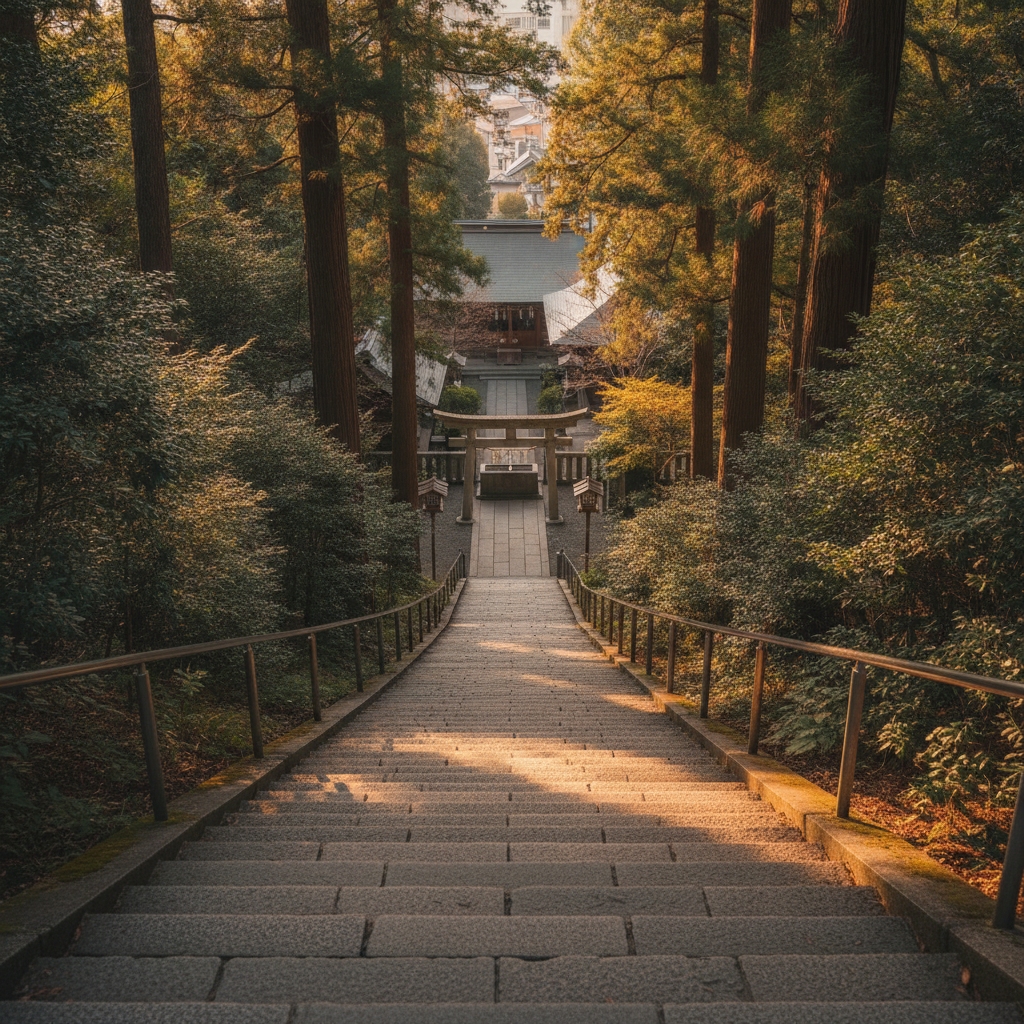
"Seichi junrei," or pilgrimage to holy sites, is what Japanese fans call visiting the real places that appear in anime. Tokyo is full of them, but most are obscure. A handful are famous, walkable, and genuinely worth seeing even if you've never watched the films. This guide covers the essential ones, mostly from the work of Makoto Shinkai, and includes an honest note about a popular "location" that isn't quite one.
Suga Shrine stairs, Yotsuya: Your Name
The most visited anime pilgrimage site in Tokyo is a stone staircase beside a small shrine in Yotsuya. It's the setting of the final scene of Your Name (Kimi no Na wa), where the two leads finally pass each other on the steps. The film reproduced the location with such accuracy that standing at the bottom of the stairs and looking up, with the red railing on your right, is like stepping into the frame.
The shrine itself, Suga Shrine, is real and old: it has stood here since 1634, long before it became a film location. It remains an active neighborhood shrine, and the staircase is a public street used by residents. That's the one caveat: be quiet, don't block the steps for long, and don't treat the homes on either side as scenery. The people who live here have been remarkably patient with a decade of visitors.
Photographers' note: the classic shot is from the bottom looking up. Early morning gives you the emptiest stairs.
Shinjuku Gyoen: The Garden of Words
Shinjuku Gyoen, the large park garden a short walk from Shinjuku Station, is the real setting of The Garden of Words (Kotonoha no Niwa), Shinkai's rain-soaked film about two people who keep meeting in a garden pavilion. The Japanese garden section and its waterside pavilion are the places to look for.
There's a small admission fee to enter the garden, and it's worth paying regardless of the anime: Shinjuku Gyoen is one of Tokyo's best green spaces, and the contrast between the quiet inside and the towers visible over the trees is exactly what the film captured. Rainy days are, fittingly, the most atmospheric, and the least crowded.
Yotsuya and Sendagaya: 5 Centimeters per Second
Shinkai's earlier film 5 Centimeters per Second uses the Yotsuya and Sendagaya area for several establishing shots: railway crossings, station surroundings, and streets that regular commuters walk past without a second glance. These aren't dramatic single locations like the Suga stairs; they're scattered street views. The pleasure is in recognizing an ordinary corner from the film. Since Yotsuya is where the Suga Shrine stairs are, the two naturally combine into one walk, with Sendagaya a stop away toward Shinjuku Gyoen.
Asakusa and Demon Slayer: an honest word
Asakusa is often listed as a Demon Slayer pilgrimage site because the series has a memorable Asakusa sequence set in the Taisho era (1912 to 1926). Here is the honest version: Asakusa is an atmospheric inspiration, not a shot-matched location. You will not find a corner that lines up with a frame from the anime, because the Asakusa of the story is a period reconstruction, not the modern district. What you will find is the old-Tokyo mood that the series draws on: the temple, the traditional shopping street, and the lingering sense of a pre-war entertainment district. Visit Asakusa for that, and you'll enjoy it. Visit looking for a specific matching shot and you'll leave disappointed.
Pilgrimage etiquette
- These are real neighborhoods. Residents come first. Keep voices down and don't linger in doorways.
- Shrines are places of worship. A small bow at the gate and quiet behavior are appreciated.
- Don't stage elaborate shoots. Quick photos are fine; tripods and cosplay setups on a residential staircase are not.
- Watch the films first. Every location is more meaningful when you know the scene.
Practical notes
- Suga Shrine: Yotsuya area. Free. The stairs are a public street.
- Shinjuku Gyoen: Near Shinjuku Station. Small admission fee. Check hours and closing days before you go.
- Combining them: Yotsuya, Sendagaya, and Shinjuku Gyoen line up naturally into a single half-day walk.
If you want the route laid out
The locations are close, but the establishing shots aren't signposted, and the walking order matters.
Tokyo Anime Pilgrimage Pamphlet
A half-day route linking Suga Shrine, the Yotsuya and Sendagaya shots, and Shinjuku Gyoen in walking order, with directions from wherever you're starting.
See the full pamphlet