Golden Gai Guide for Tourists: Is It Tourist-Friendly, and How to Do It Right
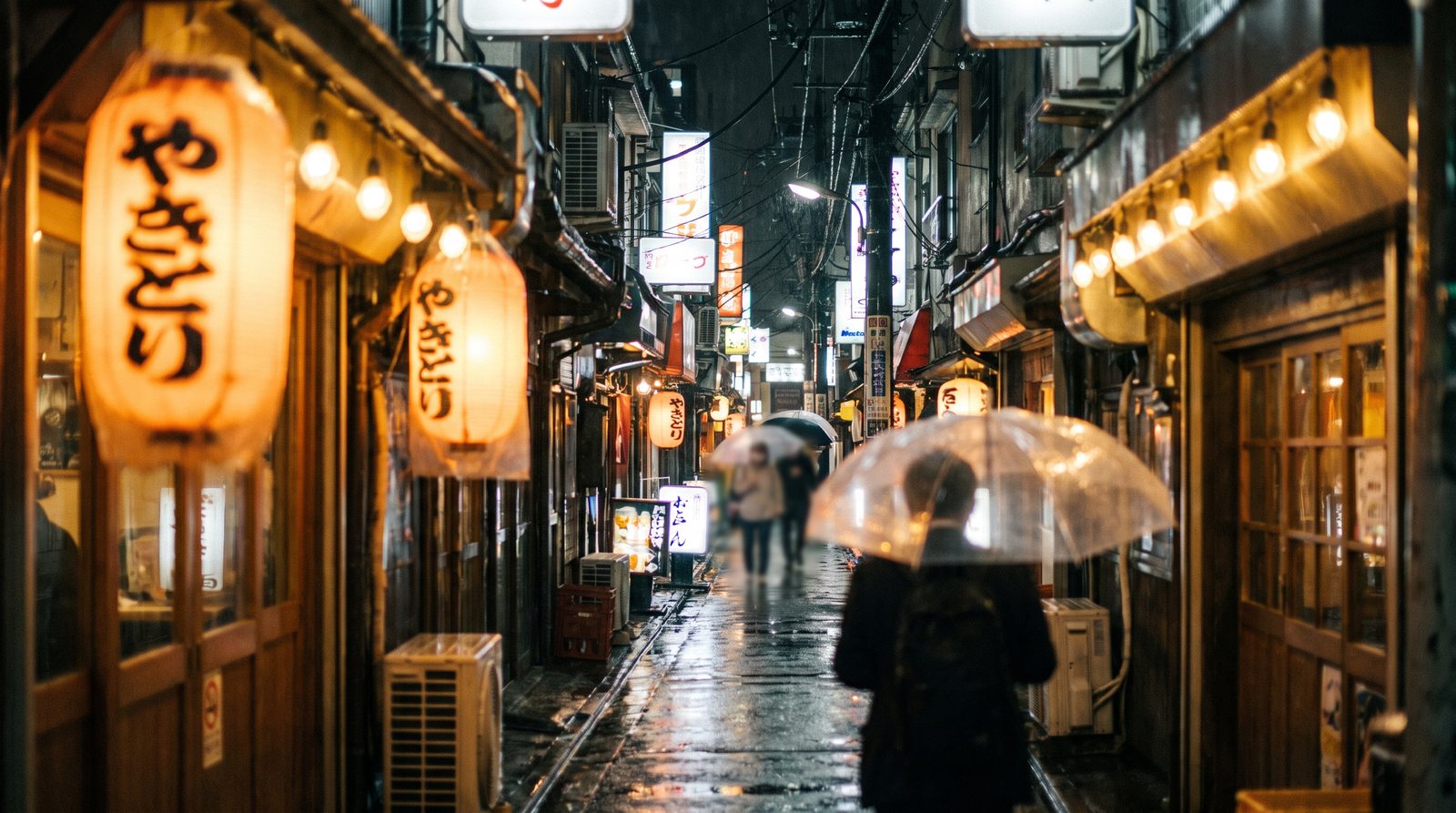
Golden Gai is six narrow alleys in east Shinjuku packed with roughly 250 bars, most of them seating six to ten people. It's been there since the 1950s and it's one of the few pieces of postwar Tokyo that survived the bubble-era rebuilding. The question everyone asks before going is whether it's tourist-friendly. The short answer is yes, more than it used to be, with a few things you need to know.
Is Golden Gai tourist-friendly?
It depends on the bar, and the bars make it clear. Look at the door:
- "No cover charge" or "Tourists welcome" signs in English: These bars want you. Go in.
- A cover charge posted (typically ¥500 to ¥1,500): Also fine. The charge is normal and covers the seat and a small snack.
- No sign, or "Members only" / "Regulars only": Don't. These are neighborhood bars where the master knows everyone, and a stranger walking in changes the room. It's not hostility; it's a living room.
Around a third of the bars are now openly tourist-friendly. That leaves plenty to choose from.
Golden Gai etiquette
- No photos inside without asking. Photos of the alleys are fine.
- Order a drink promptly. One drink per person minimum is the norm. Drinks run ¥700 to ¥1,200.
- Don't camp. If the bar fills, finish your drink and move on. The point of Golden Gai is going to three or four bars, not one.
- Groups of more than three are hard to seat. Split up.
- Cash. Some bars take cards now. Many don't.
The bars are themed by the owner's obsessions: punk records, horror films, old jazz, a specific whisky, a specific football club. Pick by what you see through the door. Once inside, the ceiling is low, the counter is a single slab, and the master is close enough to refill your glass without standing up. Bottles line the wall behind them, and the air is a mix of cigarette smoke (still allowed in many), citrus from the highballs, and whatever the master is cooking on a single burner.
Start at Omoide Yokocho
Ten minutes' walk west, on the other side of Shinjuku Station, is Omoide Yokocho ("memory lane"), a pair of alleys of tiny yakitori stalls under the train tracks. This is where to eat before Golden Gai. Sit at a counter, order skewers by pointing (chicken thigh, skin, meatball, liver; pork belly; shishito peppers), and drink beer or a highball. Charcoal smoke drifts out of every stall and hangs in the alley; you'll smell it on your jacket the next day, which is part of the deal.
Most stalls have an English menu and a cover charge of a few hundred yen. Prices are reasonable but add up: a full stomach and two drinks is around ¥3,000. Go at 6:00 or 7:00 p.m. By 9:00 the stalls are full and lines form.
Hanazono Shrine
Right next to Golden Gai, Hanazono Shrine is a small Shinto shrine that's been on the site since before Edo became Tokyo. It's open around the clock, and stepping into its grounds from the alley is a strange transition: neon and shouting on one side of the wall, gravel and a lit-up vermilion hall on the other. Visit before you start drinking, or on the way out; either way, it's the quietest two minutes of the evening.
Timing and practical notes
- Best night: Weekdays are calmer. Friday and Saturday after 10:00 p.m. the alleys are crowded and the friendly bars have waits.
- Bars open late: Most don't open until 8:00 or 9:00 p.m. and run until 2:00 a.m. or later. Arriving at 7:00 means closed shutters.
- Last train: Shinjuku's last trains leave around midnight to 12:30. Taxis after that are plentiful but not cheap.
- Safety: Golden Gai is safe. Watch for touts in the surrounding Kabukicho streets who try to steer you elsewhere; ignore them.
If you'd like the evening sequenced
The difference between a good Golden Gai night and a frustrating one is mostly sequencing: eat first at Omoide Yokocho, cross to Hanazono, then work the alleys starting with the bars that want you.
Shinjuku Golden Gai & Omoide Yokocho Late-Night Bar Alley Pamphlet
An evening route through yakitori stalls, Hanazono Shrine, and Golden Gai's alleys, with notes on which bars welcome first-timers.
See the full pamphlet