Akihabara Maid Cafe Guide: How They Work, What They Cost, and Which to Pick
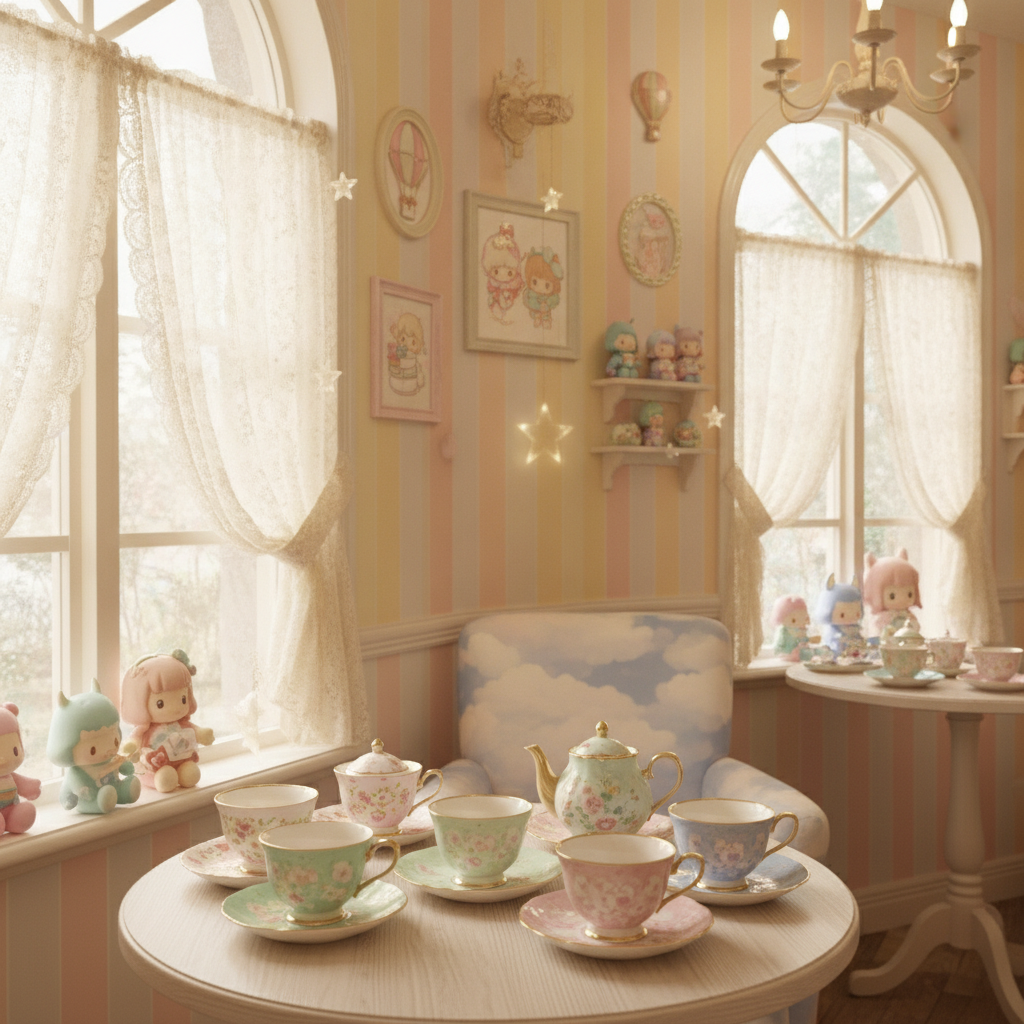
Maid cafes are the Akihabara experience that people are most curious about and least sure how to approach. Is it a restaurant? A show? Is it awkward? The short answers: it's a themed cafe with a performance element, it's designed to be welcoming to first-timers, and it's much less awkward once you understand the system. This guide explains how they work, what the two best-known chains offer, and what it will cost you in 2026.
What a maid cafe actually is
A maid cafe is a cafe where the staff, dressed in maid costumes, treat customers as the "master" or "mistress" returning home. The greeting when you walk in is "okaerinasaimase," which means "welcome home." From there, you order food and drinks from a menu, and the maids add small rituals: chanting a spell over your drink, drawing on your food, and sometimes performing short songs or games on a small stage.
It's a piece of theater with a menu attached. The food is not the point; the atmosphere and interaction are. Nobody expects you to know the routines, and the staff will guide you through the call-and-response bits.
How the pricing works
This is where visitors most often get confused. Maid cafes charge a seat fee (a per-person, per-hour charge for being there) on top of whatever you order. At Maidreamin, for example, the seat charge is around ¥770 to ¥880 per hour. Then you add drinks, food, and optional extras like a photo with a maid. Budget for the seat charge plus at least one drink as the baseline, and expect the total to climb if you add a meal or a photo.
Note on 2026 prices: Prices increased in 2026. If you're reading an older blog post or watching an older video, the numbers there are likely low. Check the menu at the door before you commit.
The two big names
Maidreamin
The largest chain, with seven branches. That scale is useful: if one branch has a queue, another may not. The seat charge system described above is Maidreamin's, and the experience leans toward the bright, high-energy, stage-show end of the spectrum. It's a good first maid cafe precisely because it's so used to first-timers and international visitors.
@home cafe
Located in the Mitsuwa Building at Soto-Kanda 1-11-4, @home cafe is one of the originals and is closely associated with the classic "okaerinasaimase" welcome. The signature moment is the omurice: an omelet over rice on which a maid draws a picture in ketchup, often a cat or a heart, while you watch. It's the single most photographed thing in Akihabara's cafe scene, and for good reason.
Etiquette: the rules that matter
- No photos of the maids without permission. Taking pictures of staff is prohibited unless you buy the official photo option. Photographing your own food and drink is generally fine.
- Don't touch, don't ask for contact details. The maids are performers at work. Treat them as such.
- Join in. The little chants and gestures are much more fun if you play along, and it's expected.
- Respect the time. The seat charge is hourly. If the cafe is busy, staff may indicate when your time is up.
Who should go, and who might skip it
If you're curious about Akihabara's culture beyond the shops, a maid cafe is the most direct way in, and both chains above are set up for people who have never done it. If the idea of performative cuteness makes you cringe, you can skip it without missing anything essential. There is no in-between: it's an experience you commit to for an hour or don't do at all.
Practical notes
- Queues: Weekend afternoons and evenings can mean waiting. Weekday afternoons are easier.
- Payment: Confirm accepted payment methods at the entrance.
- Touts: Maids handing out flyers on the street are advertising their cafes. It's a normal part of the district, not a scam, but you don't have to follow anyone.
If you want the afternoon laid out
A maid cafe visit works best as the centerpiece of a half-day in Akihabara, not a standalone stop.
Akihabara Maid Cafe Experience Pamphlet
A first-timer's afternoon in Akihabara built around a maid cafe visit, with the etiquette explained and directions from wherever you're starting.
See the full pamphlet